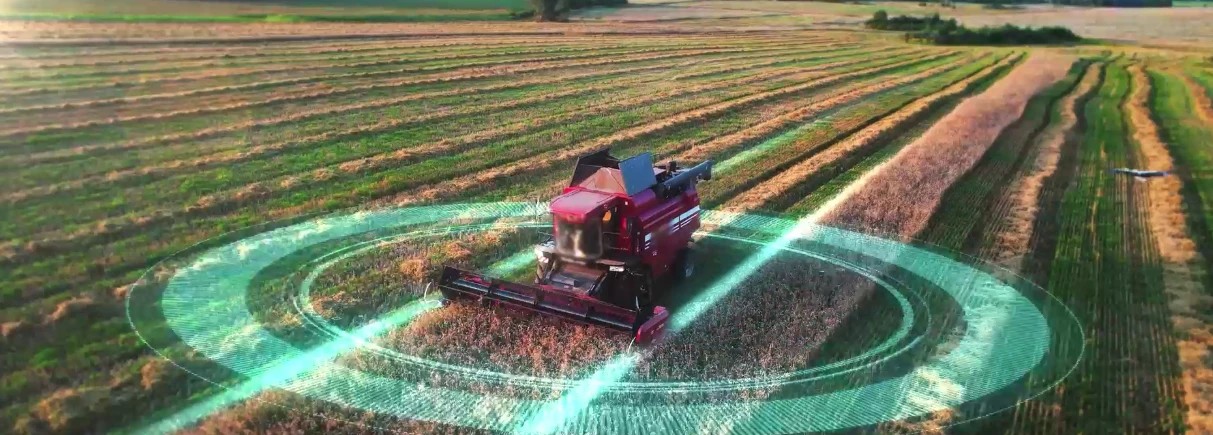
A vehicle that knows where it is to a couple of centimetres outside is no use if it loses that the moment it goes in. Warehouses, plant buildings, parking structures and tunnels are where much of the work is — and where GNSS ends.
Sector: Autonomous ground and air vehicles
The constraint
Centimetres are not a nicety here, they are the job. Docking into a charger, picking from a rack, holding a lane between structure, returning to the same standoff from the same asset — all of it fails at half a metre. A vehicle that knows roughly where it is cannot do any of them.
Outdoors that is a solved problem. Indoors there is no GNSS at all, and the hardest part is neither the inside nor the outside: it is the doorway. Crossing between them is where most systems jump, and a vehicle that jumps half a metre while entering a building is a vehicle that hits something.
What we did
Outside, RTK gives the vehicle its position to within a couple of centimetres. The work was making that still true once it goes in.
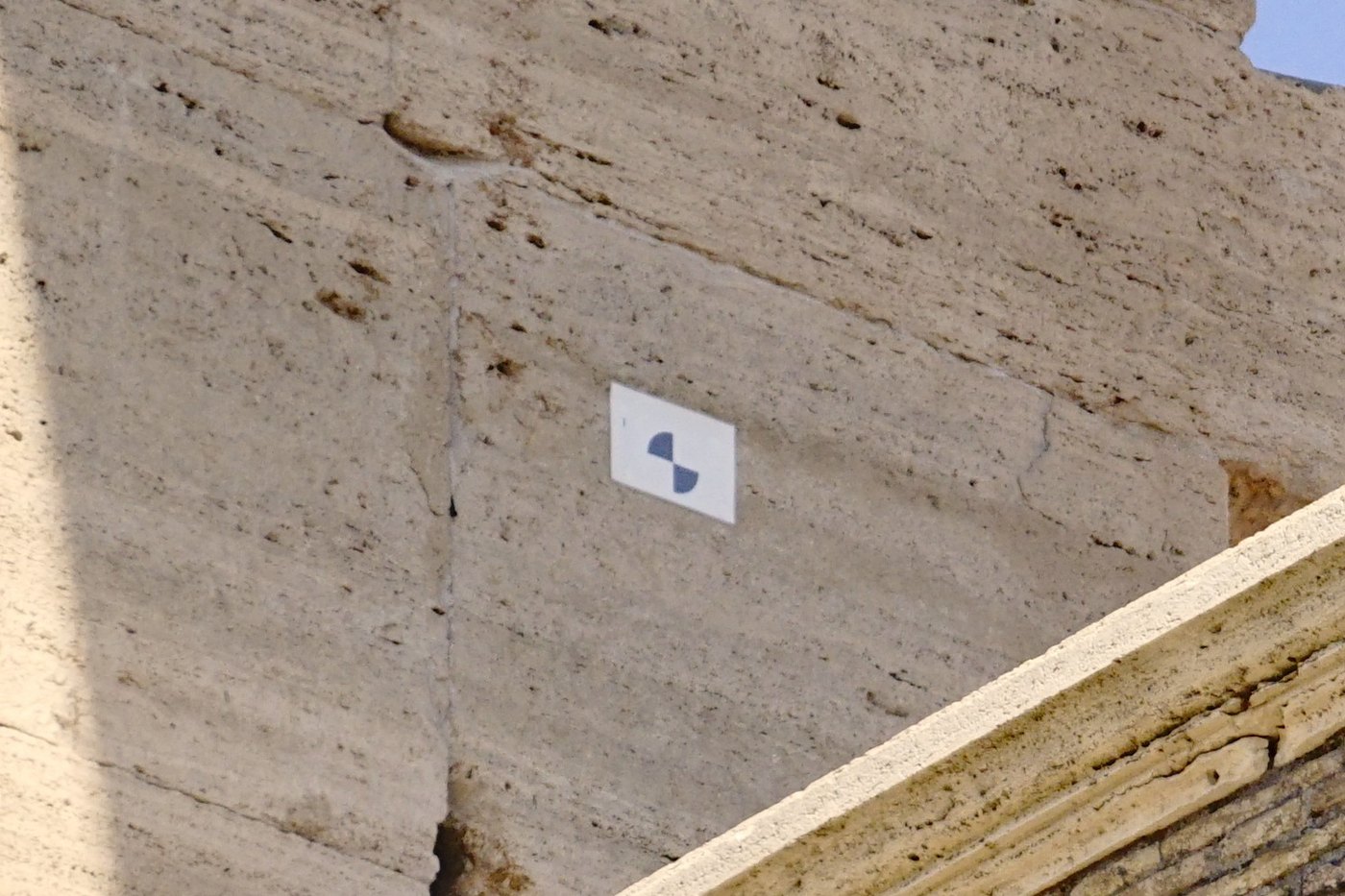
So we put a small number of fixed references into the space itself and measure exactly where they are, once. Some are active, and can be found in the dark. Others are nothing more than a printed fiducial marker on a wall or a column. They are cheap, they need no power from the vehicle, and they both do the same job: every time the vehicle sees one, it knows precisely where it is again.
None of this is specific to something that flies. The same references, surveyed the same way, serve a rover, an AGV or a drone equally — they do not care what is looking at them.
That matters more than it sounds. Anything navigating without GNSS drifts — slowly, but without stopping. Most of the effort in this field goes into slowing that drift down. A known reference does something better: it deletes it. The error returns to zero and starts again.
Between sightings the vehicle carries on with what it can see and feel, and the whole thing is arranged so that crossing the threshold changes nothing the vehicle notices. Every position is published together with how sure the system is of it, so the layers above can slow down, ask for a fix, or stop — rather than acting confidently on a number that has quietly gone soft.